

Browse by category
Practise Like the Pros
Borrow one useful practice idea from a great player, then give it a clear job in your own game. These 50 tour-player drills cover everything from Rory McIlroy’s coin putting game to Annika Sorenstam’s connection rehearsal and Jack Nicklaus’s competitive practice.
The drills are drawn from our Golf Drills Made Fun App library. Each entry links to a full lesson with its own demonstration, setup and practice format. Start with one relevant task, follow that lesson and notice what changes in your contact, ball flight or routine.
Begin on the green with putting, explore wedges, chips and bunkers, or work on setup and takeaway. For the full swing, choose turn, impact and release or balance, footwork and speed. Finish by testing your shot cues and practice habits.
Drills 1–6
Putting: Read, Roll and Score

Six drills for connecting your read, stroke and practice routine. Choose whether you want to explore pace, picture a start line or test yourself with a score.
| No. | Tour player | Try this drill | What to practise |
|---|---|---|---|
| 1 | Rory McIlroy | Coin Putting Game | Match line and pace on a breaking putt.Alternate a softer route with more break and a firmer route with less break. Use the coin as a reference, then record your holed putts. |
| 2 | Luke Donald | Hammer a Nail Putting Drill | Explore a clearer, controlled strike.Picture a small hammer stroke. Rehearse a slightly longer backswing and compact natural finish, without jabbing or stopping the putter at the ball. |
| 3 | Justin Rose | Putter Sword Drill | Make your chosen start line easier to picture.Read the slope first. Use the raised shaft as a visual reference for your chosen direction, then lower it and roll the putt. It is a visualisation aid, not a slope measurement. |
| 4 | Brad Faxon | Green Reading Drill | Commit to a fresh read before each putt.Look from behind the ball and the low side. Choose the starting direction and pace before you address the putt, then trust that decision. |
| 5 | Gary Woodland | Birdie-Making Putting Drill | Give short-putt practice a consequence.Set eight starting points around a hole. Use your full routine at each one and restart after a miss, following the distances in the full lesson. |
| 6 | Luke Donald | Par Maker Putting Drill | Test a complete routine over a fixed round.Play five putts at each of four holes. Use your normal preparation and keep the same scoring rule for all twenty attempts. |
Drills 7–14
Wedges, Chips and Bunkers

Eight ways to explore contact, landing and rollout. Pick the lesson that suits the lie and shot in front of you; a low runner, a soft pitch and a bunker splash ask different questions.
| No. | Tour player | Try this drill | What to practise |
|---|---|---|---|
| 7 | Rory McIlroy | Bump and Run Drill | Learn how a low chip lands and rolls.Choose short grass with room to run. Pick a landing patch, rock the shoulders back and through, then observe the first bounce and the rollout. |
| 8 | Rory McIlroy | One-Hop Stop Chip Drill | Explore a controlled chip and its stopping distance.Start from a clean greenside lie with a close setup and slightly open face. Choose a landing patch and score where the ball finishes; the bounce depends on the lie, ball and conditions. |
| 9 | Padraig Harrington | Chipping Drill | Brush the turf without backing away.Begin with gentle forward pressure and a small chip. Let the chest turn through and notice whether the club brushes the ground at or just beyond the ball. |
| 10 | Simon Dyson | Cack-Handed Drill | Feel a compact chip with a continuing turn.Reverse the usual order of your hands while keeping your normal club and stance. Begin with tiny rehearsals, then short chips; let the chest keep turning. |
| 11 | Annika Sorenstam | Half Shot Drill | Find a quieter lower body and steady rhythm.Try the crossed-leg setup shown in the lesson without a ball first. Make a short L-shaped backswing and flow into a comfortable finish before returning to your usual stance. |
| 12 | Freddie Couples | Weak Lead-Hand Wedge Drill | Explore a higher, softer pitch option.Follow the lesson’s weaker lead-hand setup and begin with controlled pitches. Observe the flight and landing rather than adding a last-second scoop. |
| 13 | Rory McIlroy | Bunker Drill | Build a repeatable setup for a standard splash.Use the practice T in the sand to check the setup. Open the face before gripping, favour the lead side and keep moving through the sand behind the ball. |
| 14 | Jason Day | Bunker Drill | Explore a low, stable setup and committed finish.For a normal bunker lie, open the face before gripping, keep the chest centred and settle into the wider stance. Let the wedge splash through into a high finish. |
Drills 15–22
Setup and Takeaway

Eight references for starting more clearly. Use the photographs and video in the linked lesson, make the rehearsal slowly and reset before playing an ordinary shot.
| No. | Tour player | Try this drill | What to practise |
|---|---|---|---|
| 15 | Rory McIlroy | Club in Front Drill | Simplify the backswing rehearsal.Address the ball with the cue “club in front”. Make one slow rehearsal, reset and make one easy swing. Count the rehearsal and shot together as one practice pair. |
| 16 | Annika Sorenstam | Glove Drill | Let the lead upper arm move with the chest.Tuck a glove lightly under the lead armpit for small half-swings. Remove it afterwards and test ordinary shots with the same connected feeling. |
| 17 | Adam Scott | Takeaway Drill | Compare the hands, clubhead and chest early in the swing.Use the alignment-stick reference in the full lesson. Rehearse a short takeaway without a sudden wrist roll, then compare the checkpoint before resetting. |
| 18 | Dustin Johnson | Swing Trigger Drill | Give the swing a comfortable starting cue.Try the lesson’s small hands-forward movement, lead-foot pressure cue or final look at the target. Choose one that flows naturally into your backswing. |
| 19 | Corey Pavin | Swing Drill | Explore a chest turn around a simple reference.Rest the lead palm lightly on an upright club and turn the free arm back. Use the club as a reference, without leaning your weight onto it. |
| 20 | Lee Trevino | Maintain Spine Angle Drill | Notice an abrupt stand-up through the hitting area.Use the stick-across-the-back rehearsal shown in the lesson, with a small no-ball swing. Put the stick safely aside before transferring the feeling to easy iron shots. |
| 21 | Anthony Kim | Checkpoint Drill | Separate the halfway-back check from the shot.Rehearse the halfway checkpoint, return fully to address and make a free swing. Do the checking in rehearsal, then let the actual shot flow. |
| 22 | Jack Nicklaus | Hip Preset Power Drill | Explore a comfortable backswing turn.Give the hips a small preset towards the trail side, rehearse the turn and reset. Keep it a rotation within your stance, with a comfortable range of movement. |
Drills 23–32
Turn, Impact and Release

Ten drills for exploring room, clubface awareness and a continuing turn. These are different practice tools: choose the one that addresses your current task rather than combining every cue.
| No. | Tour player | Try this drill | What to practise |
|---|---|---|---|
| 23 | Johnny Miller | 3-Part Stop at Impact Drill | Recognise square, open and closed clubface positions.Use slow mirror rehearsals: six stops square, six open and six closed. Check each position against the target line; the drill builds awareness rather than predicting flight from face angle alone. |
| 24 | Johnny Miller | Pro Impact Drill | Feel a controlled impact preset.Use the impact setup shown in the full lesson and hold it for two seconds. Progress from smaller swings only while the movement and contact remain manageable. |
| 25 | Annika Sorenstam | Turn Through the Ball Drill | Let the head and body turn through together.Begin with a short, gentle shot. Brush the turf, continue turning and let your eyes follow the ball rather than fixing the head over its old position. |
| 26 | Phil Mickelson | Move Drill | Explore the release from a trail-thigh reference.Rehearse slowly until the hands are near the trail thigh on the downswing, then keep turning as the club swings through. Phil plays left-handed; mirror the reference if you play right-handed. |
| 27 | Francesco Molinari | Freeze Hands Drill | Use a quieter-wrist backswing feel.Make a small no-ball rehearsal with the trail hand on the club and the other hand near the chest. Return to two-handed easy shots and allow natural wrist hinge. |
| 28 | Jim Furyk | Find Room for Your Swing Drill | Explore whether the setup leaves space to turn.Use the no-club wall rehearsal or closer-address option in the lesson. Compare comfort and room, then move into clear space before making normal swings. |
| 29 | Ben Hogan | Clear Hips Drill | Feel the body turning to make room for the arm.Start with the gentle sidearm-throwing rehearsal. Return to a small club swing, pause at the top and let the arms fall as the body turns through. |
| 30 | Tiger Woods | Hip Move Drill | Rehearse the trail hip turning behind you.Make a short no-ball backswing with soft knees. Feel “trail hip back”, pause and reset. Keep the turn small enough to stay balanced. |
| 31 | Jack Nicklaus | Hip Depth Drill | Explore space around the hips with a stepping exercise.Follow the four-ball setup and small backward steps in the full lesson at an easy pace. Afterwards, return to an ordinary stance and test the feeling of room as you turn. |
| 32 | Tiger Woods | Follow-Through Drill | Let the arms move through with the turning body.Start with short hip-height swings. At about waist height after impact, notice whether the hands have room in front of the body, with soft elbows and a continuing turn. |
Drills 33–42
Balance, Footwork and Speed

Ten drills that connect the feet, turn and finish. Begin at a pace you can control. The movement rehearsals and the more demanding driver session have different purposes; use the progression in each full lesson.
| No. | Tour player | Try this drill | What to practise |
|---|---|---|---|
| 33 | Rory McIlroy | Driving Drill | Connect the shift, turn and balanced finish.Use the teaching sequence to rehearse a move towards the lead side and a turning finish. Let the body move through rather than hanging back to lift the drive. |
| 34 | Rory McIlroy | Hand Speed Drill | Explore width and the downswing hand movement.Keep both hands securely on the grip with a comfortable gap. Use slow no-ball rehearsals and ease into the stopping checkpoint under control, without a violent stop. |
| 35 | Xander Schauffele | Step Drill | Find a smoother change of direction.Begin slightly narrower than usual. Make a small lead-foot shuffle towards the target as the backswing finishes, then swing through and reset your feet. |
| 36 | Moe Norman | Feet Pressure Drill | Notice how pressure changes under the feet.Rehearse a small turn on level ground. Feel the trail foot support the backswing, then move towards the lead side through the shot without rolling onto the outside of a foot. |
| 37 | Sam Snead | Fancy Footwork Drill | Let the feet support a freer turn.Explore the pressure-shift rehearsal slowly. Allow a small lead-heel lift back and a natural trail-heel rise through, keeping the motion comfortable rather than forcing a pose. |
| 38 | Simon Dyson | Single Leg Drill | Explore balance from a narrower support base.Keep most pressure on the trail foot with light lead-toe support, as shown. Start with small no-ball swings and increase the support or shorten the motion if you feel unsteady. |
| 39 | Simon Dyson | Feet Together Drill | Use balance to guide rhythm and swing size.Bring the feet comfortably close and begin with gentle rehearsals. Add short shots only when you can finish steadily, then compare the feeling from your normal stance. |
| 40 | Bryson DeChambeau | Club Head Speed Drill | Explore loading and shifting in a driver session.Warm up, then use one load-and-shift cue at controlled effort. Build gradually, reset and rest between groups; use a monitor when available to check speed rather than guessing. |
| 41 | Chip Beck | Baseball Driving Drill | Link a small lead-foot lift, plant and through-swing.Rehearse slowly first. Lift the lead foot in the backswing, plant it as you start down and turn through into a balanced finish before adding comfortable drives. |
| 42 | Freddie Couples | Shoulder Tilt Drill | Observe the relationship between turn, shoulders and finish.Use the photographs and pillow-feel cue in the full lesson. Begin with easy swings and a comfortable finish, observing the trail heel rather than forcing a large body tilt. |
Drills 43–50
Shot Cues and Practice Habits

Eight ways to make a useful swing feeling easier to take to a target. Faldo’s three driver shots are separate lessons with different flight intentions; the Nicklaus tasks focus on preparation, scoring and attention.
| No. | Tour player | Try this drill | What to practise |
|---|---|---|---|
| 43 | Nick Faldo | Wing Up Driver Fade Drill | Test one clear cue for a higher fade intention.Rehearse the “wing and up” follow-through feeling at easy speed. Compare the actual launch, curve and contact before keeping the nickname as your single shot cue. |
| 44 | Nick Faldo | One Wrap Drill | Explore a flowing driver finish with one cue.Try “one and wrap” in a slow rehearsal, then an easy drive. Let the pressure move onto the lead leg and the club wrap comfortably around the shoulders. |
| 45 | Nick Faldo | Low Scope Fade Drill | Explore a lower fade as a possible go-to shot.Choose a wide range target, rehearse the lower through-strike feeling and test the flight. Give it a short name only if the cue helps you repeat the intended shot. |
| 46 | Nick Faldo | Golf Shot Nicknames Drill | Recall a familiar shot without a list of instructions.Give four familiar shots memorable nicknames. Choose the target and one relevant name before stepping in, then score your committed attempts using the lesson’s format. |
| 47 | Jack Nicklaus | Competitive Practice Drill | Give each attempt a target and consequence.Choose a reachable target and a clear success rule before starting. Use the full routine and score two sets of nine without changing the rule halfway through. |
| 48 | Jack Nicklaus | Metronome Pre-Shot Routine Drill | Build a steadier preparation rhythm.Plan in the THINK zone, then step into PLAY. Use the metronome practice to explore a repeatable routine and record whether you completed it, rather than rushing to keep up. |
| 49 | Jack Nicklaus | Short-Interval Practice Drill | Keep practice focused in manageable blocks.Choose one task, work in short intervals and take regular breaks. Finish with a useful note instead of carrying on after attention has faded. |
| 50 | Jack Nicklaus | Visualisation Drill | Picture the shot before addressing the ball.Imagine the finish, then the flight and landing. Step in with one clear picture and score whether you completed the routine, keeping that separate from the shot result. |
Which Tour Player Drill Should You Try First?
Start with the part of your game that keeps costing you shots. If you are unsure, keep a few notes during your next round: missed short putts, long chips, uneven contact or a rushed routine. Then choose the section that addresses the most common pattern.
For a simple first session, try Rory’s Coin Putting Game to explore line and pace, Simon Dyson’s Feet Together Drill for a small-swing balance task, or Jack Nicklaus’s Competitive Practice Drill to give a familiar shot a clear score.
Follow the drill’s own format, then play a few ordinary shots or putts without its extra reference. Record what carried over. Keep the cue if it helps you perform the task; simplify it or choose another lesson if it leaves you more confused.
George’s Practice Tip
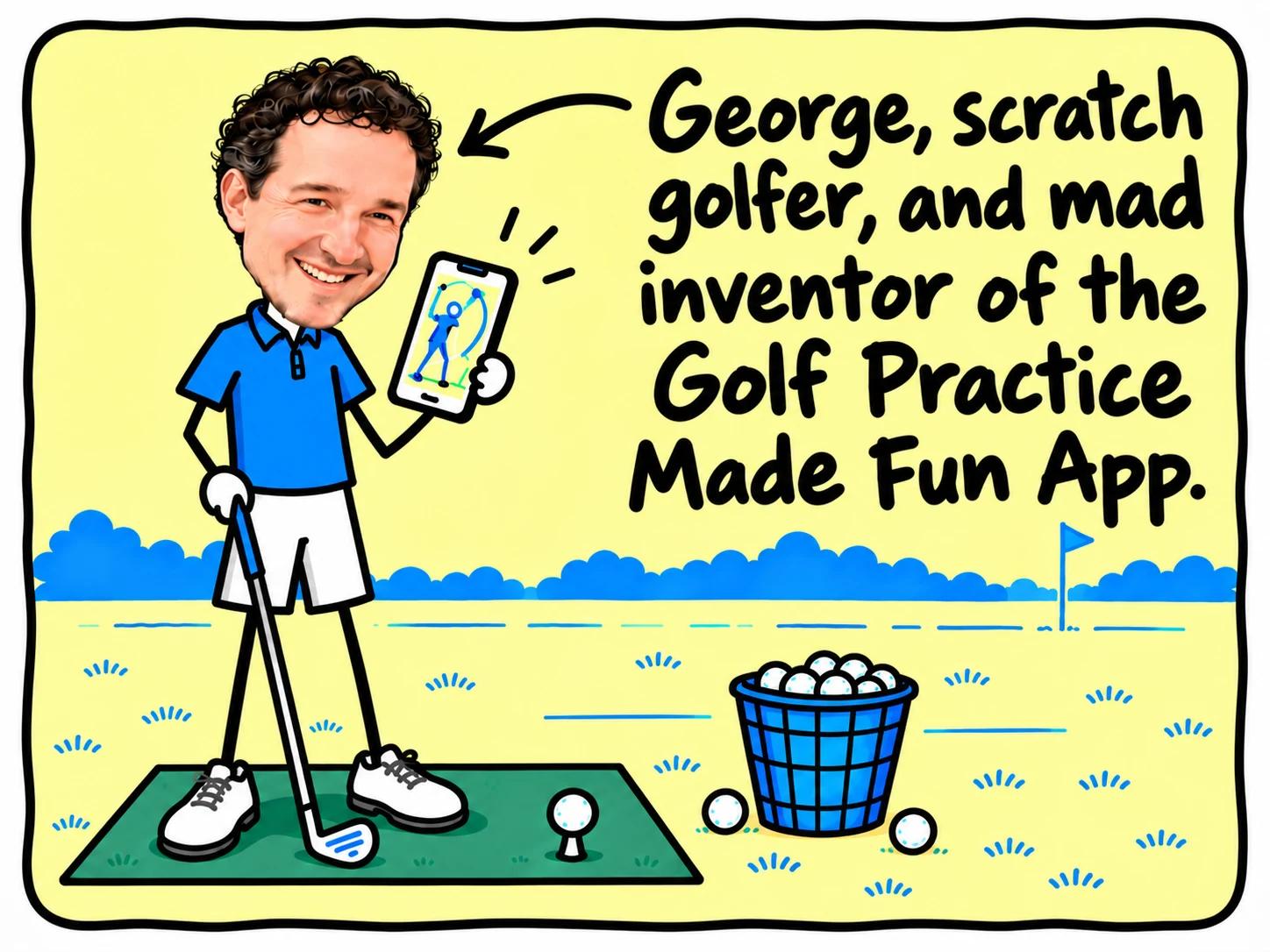
One player. One drill. One useful note. Choose a drill, watch the demonstration and give the task your attention. You do not need Rory’s entire swing to learn something from his putting game.
Write down what you practised, what happened and what you will try next time. When you repeat the session, use a comparable target and scoring rule so you can judge more than your best shot.
Need help identifying the task? Browse 100 Golf Problems — Find Your Drill. For more purposeful sessions, read Top 10 Golf Practice Mistakes: And What to Do Instead.
