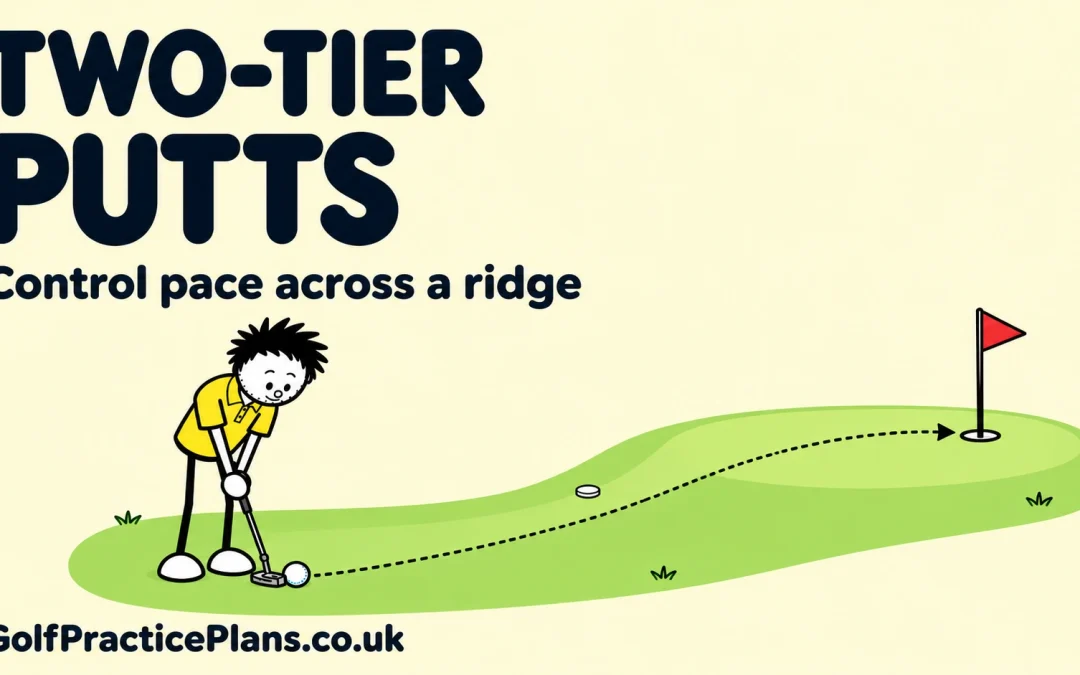
Two-Tier Putts: Judge the Change in Slope
Control your pace across a gentle tier. Picture the roll through the change in slope and score finishes within three feet over two sets of nine putts.

Control your pace across a gentle tier. Picture the roll through the change in slope and score finishes within three feet over two sets of nine putts.
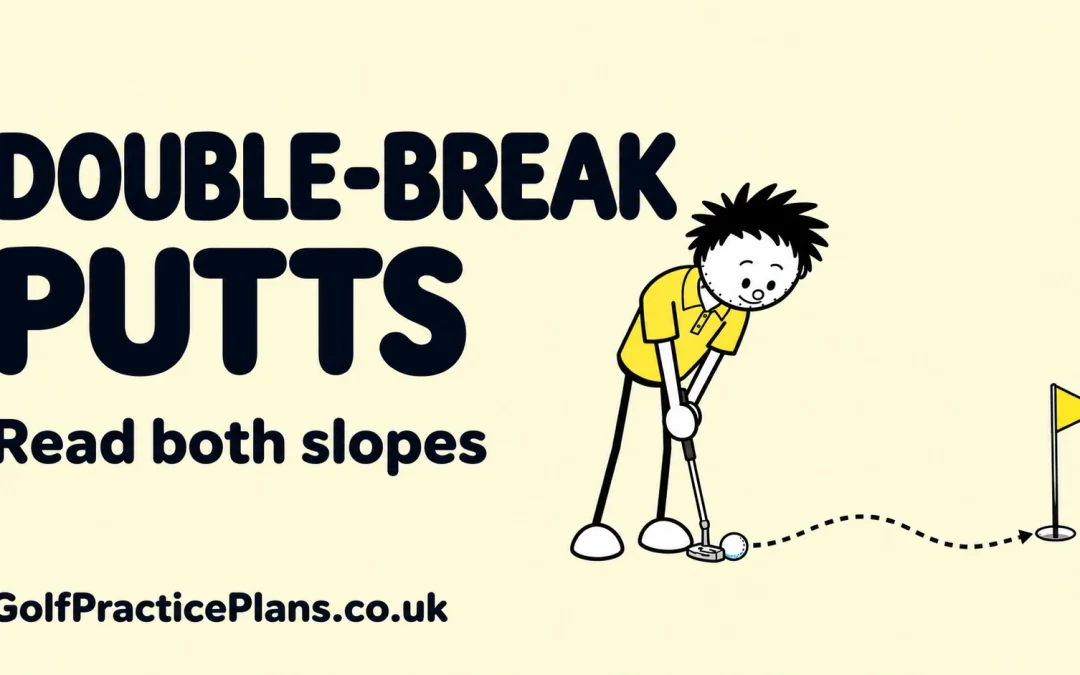
Read both curves of an S-shaped putt, match your starting line and pace, then score finishes within three feet over two sets of nine putts.
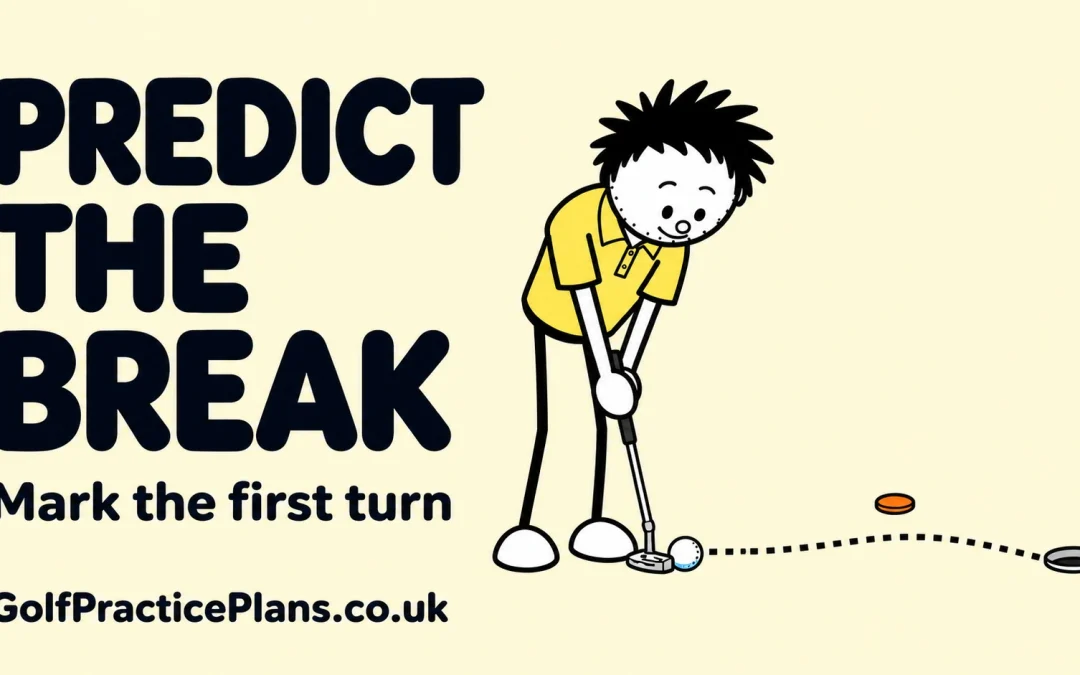
Predict where you will first see a breaking putt turn. Mark the spot, roll the ball and score your read over two sets of nine attempts.
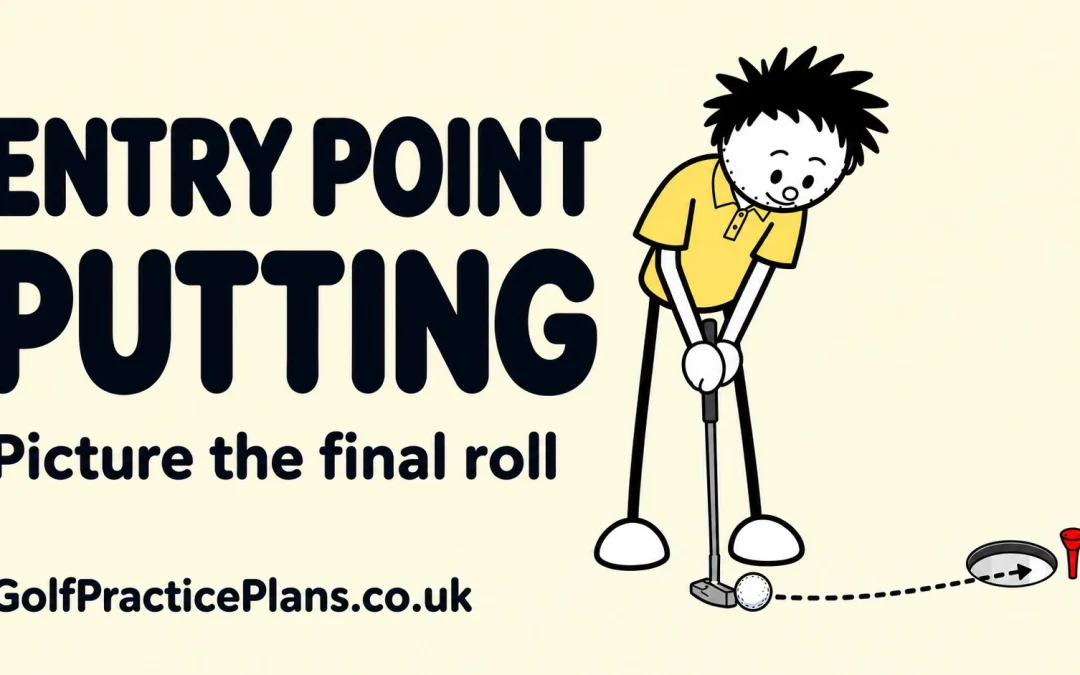
Mark the entry side of a breaking putt, picture the final roll and match your line with your pace. Follow Putting Card 46 and download the free practice sheet.
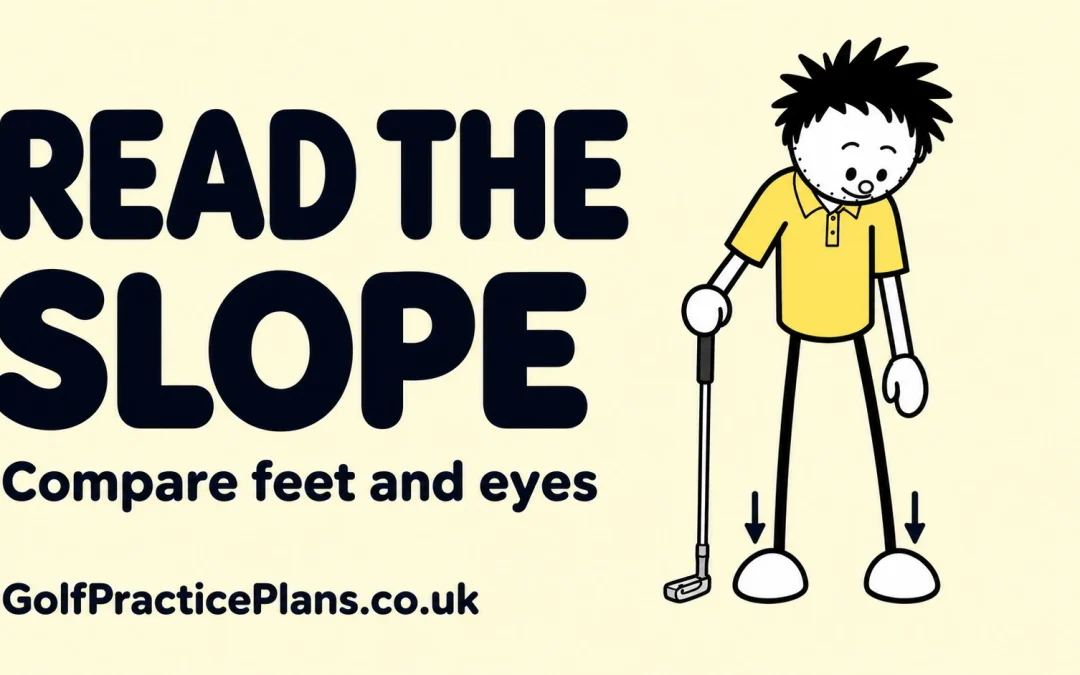
Feel the slope under your feet, compare it with your visual read and play 18 putts. Follow Putting Card 45 and download the free two-page practice sheet.
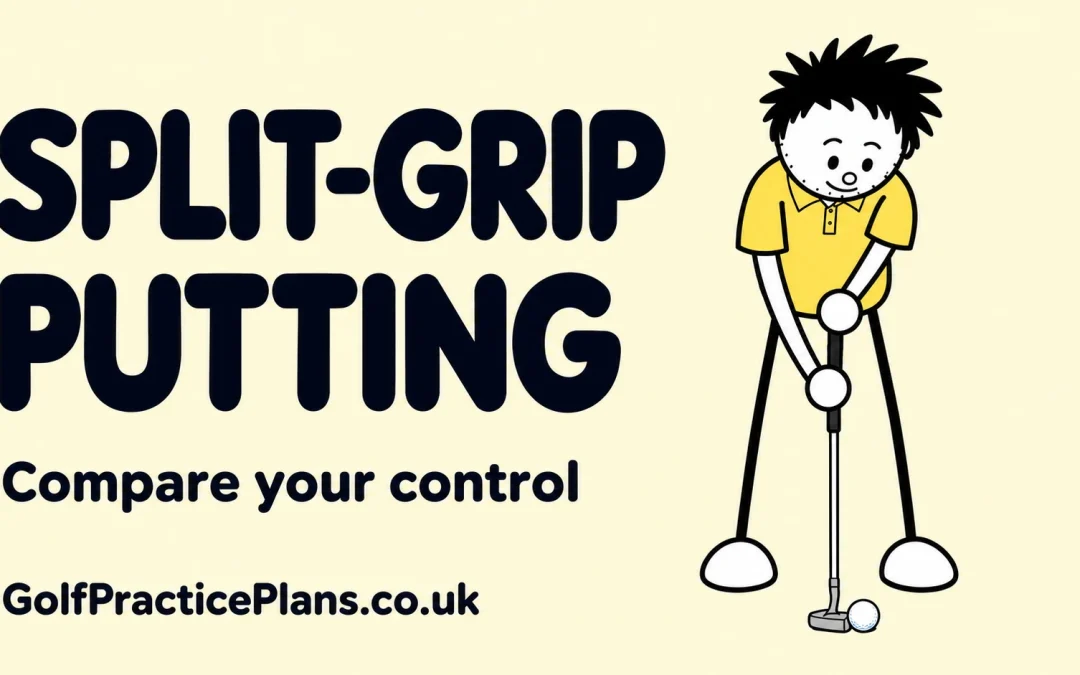
Compare nine split-grip putts with nine using your usual grip. Follow the corrected hand position, watch the lesson and download the free practice sheet.
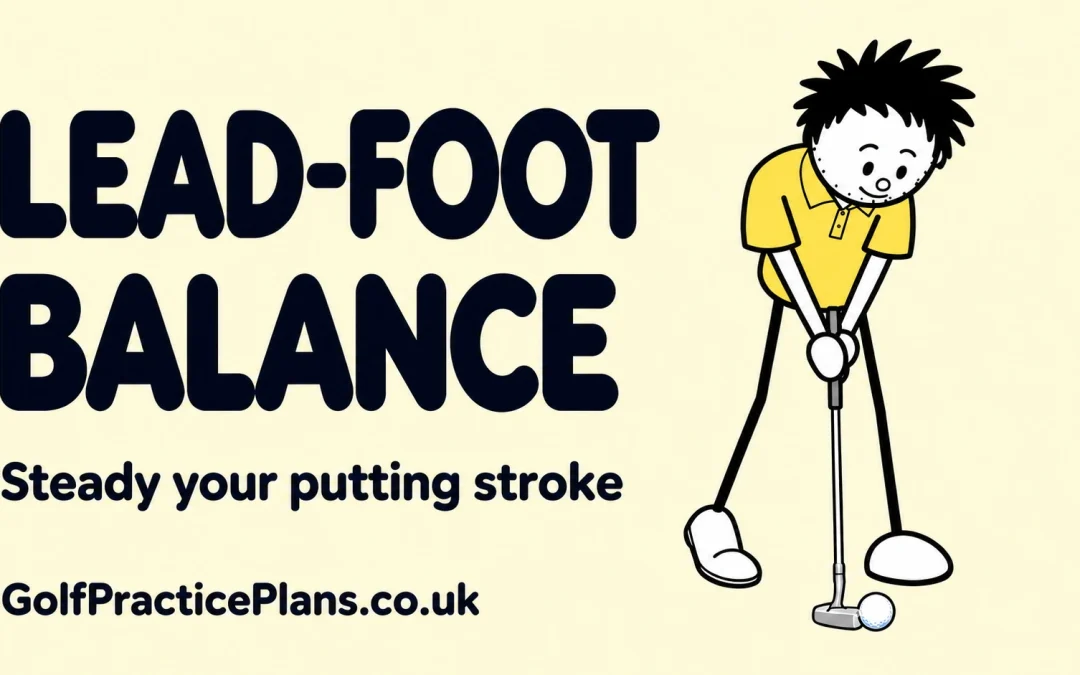
Compare nine supported lead-foot putts with nine from your normal stance. Count balanced strokes, watch Todd Kolb’s demonstration and download the free practice sheet.

Read a breaking putt from behind the ball and from the low side. Choose line and pace, then score two sets of nine for finishes within three feet.

Imagine a clock around the hole. Find the straight uphill putt at six o’clock, then use the fall line to read the break from nearby positions.

Grip down a wedge and use its leading edge to contact the ball’s equator. Play 18 short putts, keep the sole clear of the turf and score centred contacts.
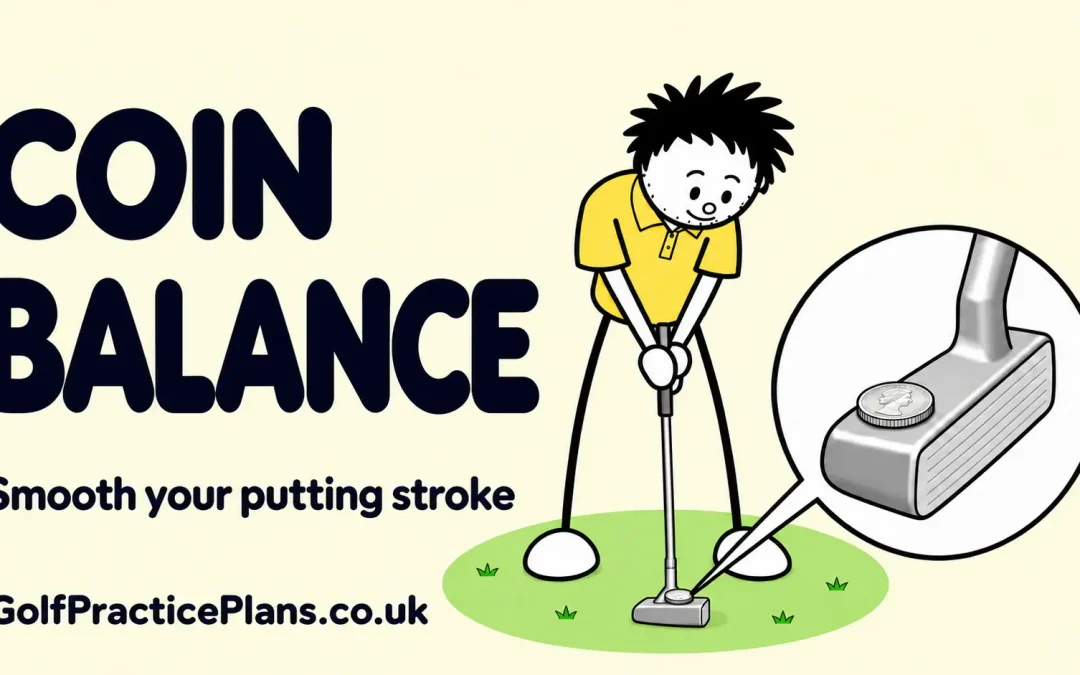
Balance a coin on top of the putter for nine smooth rehearsals. Remove it for nine short putts, then record coin-retained rehearsals and centred putts separately.

Tape a small coin to the centre of your putter face, roll 18 short putts and score one point per centred strike. Notice contact and starting direction.

Compare nine putts while looking at the hole with nine using your normal routine. Start at three feet and record finish distance and strike.

Play nine putts with your lead hand and nine with both hands. Compare contact and start direction, scoring one point for each centred strike.

Compare nine hovered starts with nine grounded starts from the same short putt. Record strike and comfort, then decide which feels more natural.
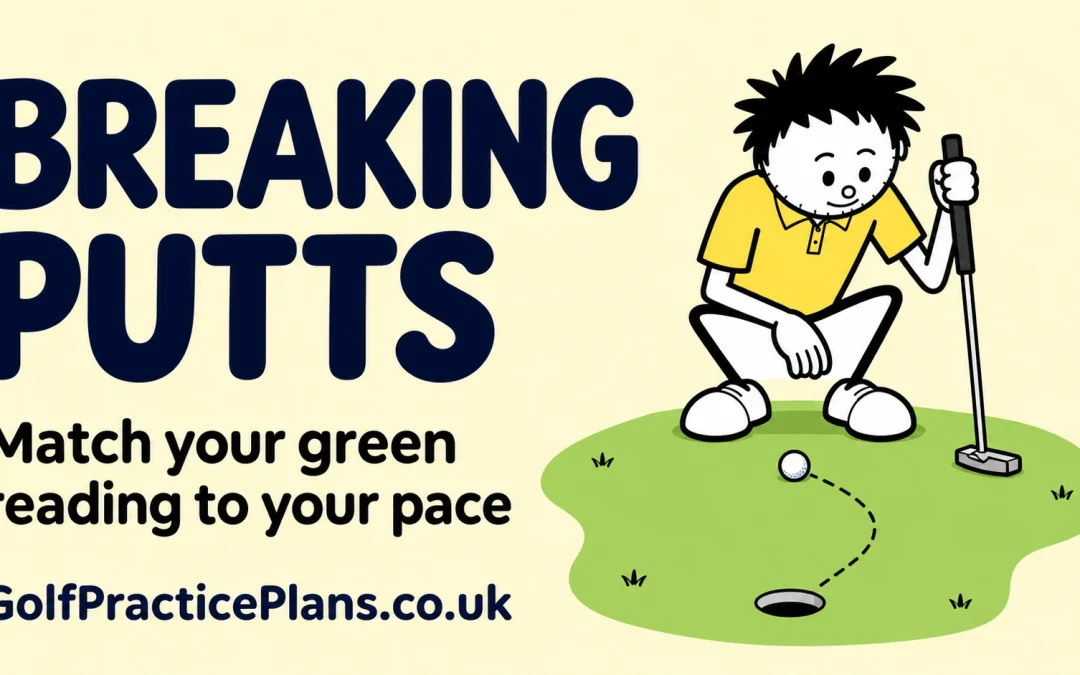
Choose three breaking putts, play six from each spot and score one point for every finish within one putter length of the hole.
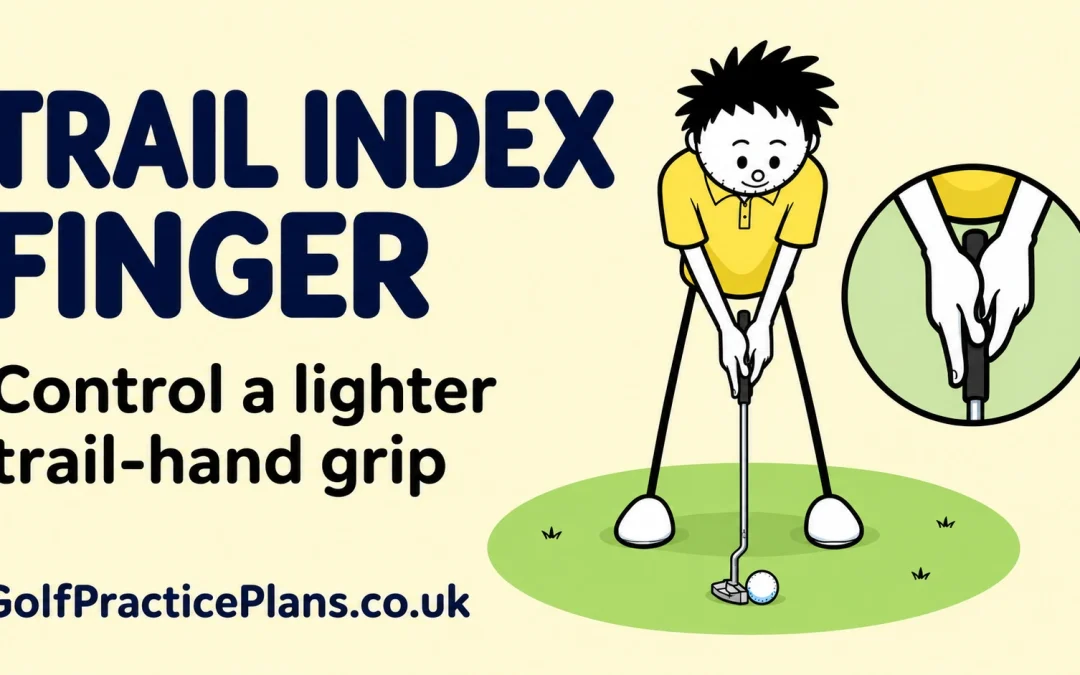
Compare nine putts with a lighter trail index finger against nine with your usual pressure. Score centred strikes and notice the start direction.
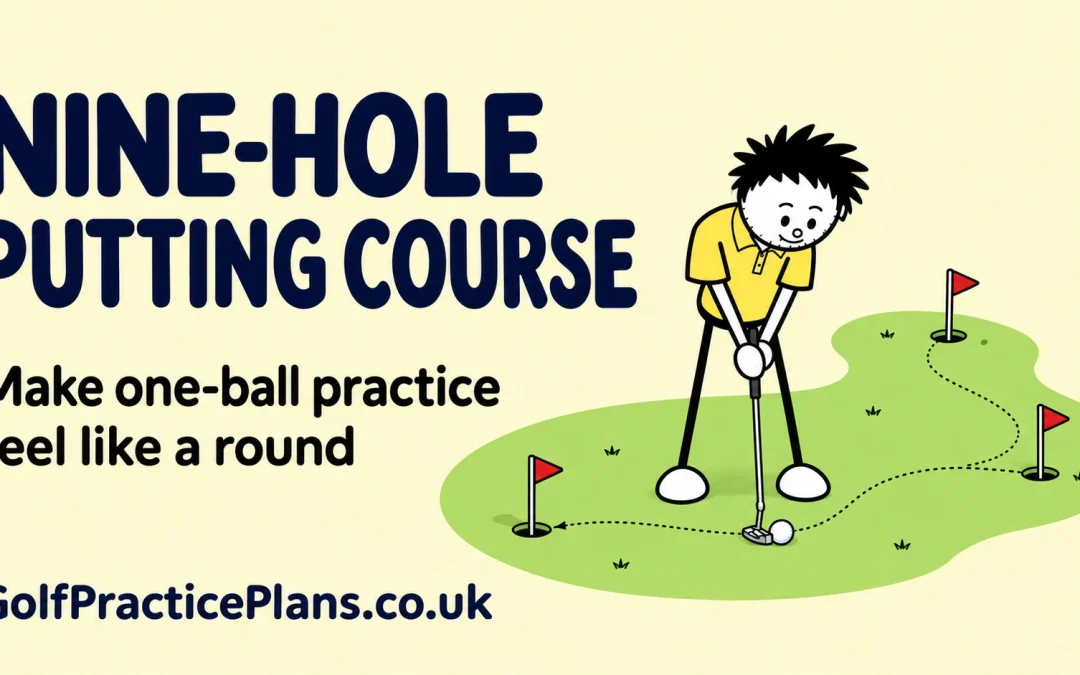
Play nine different putts with one ball, hole out from every starting position and count every stroke. Can you beat 18?
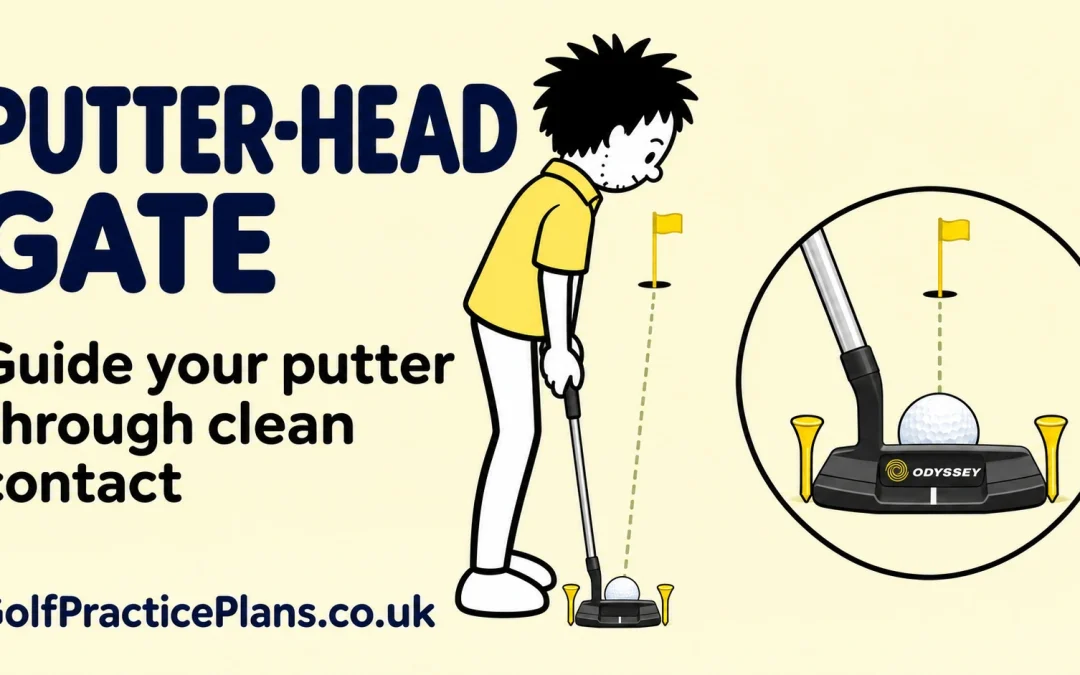
Place two tees just outside your putter head, practise clean contact and score each tee-free strike over 18 attempts.
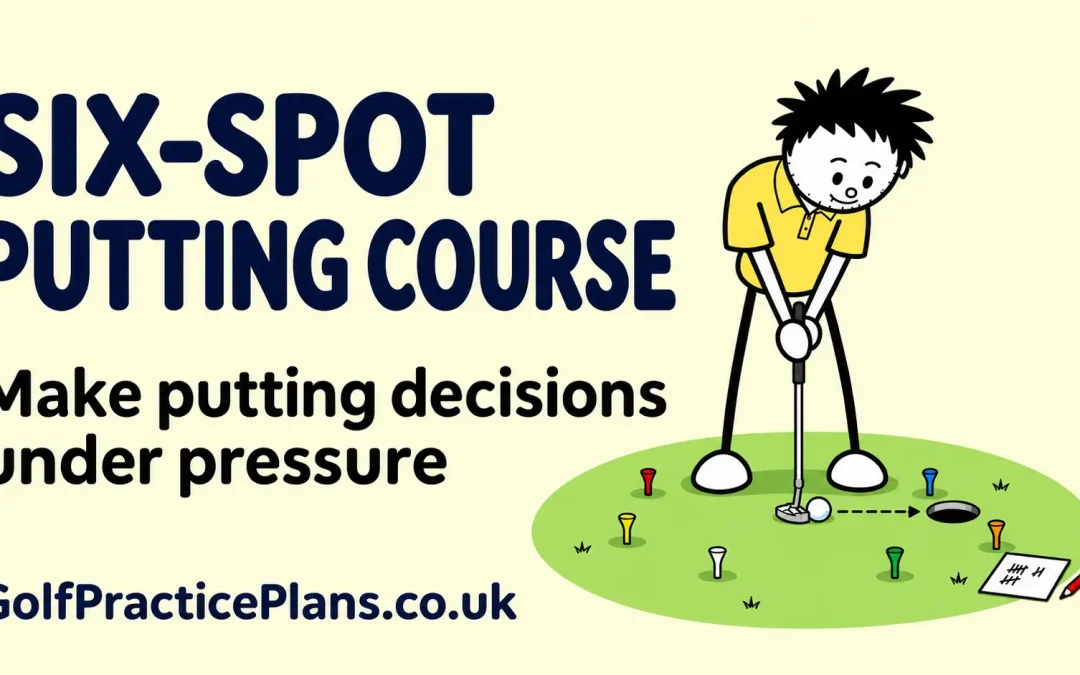
Choose six putting spots from short to long, use one ball and hole out from each. Count every stroke and compare your total on the same course next time.
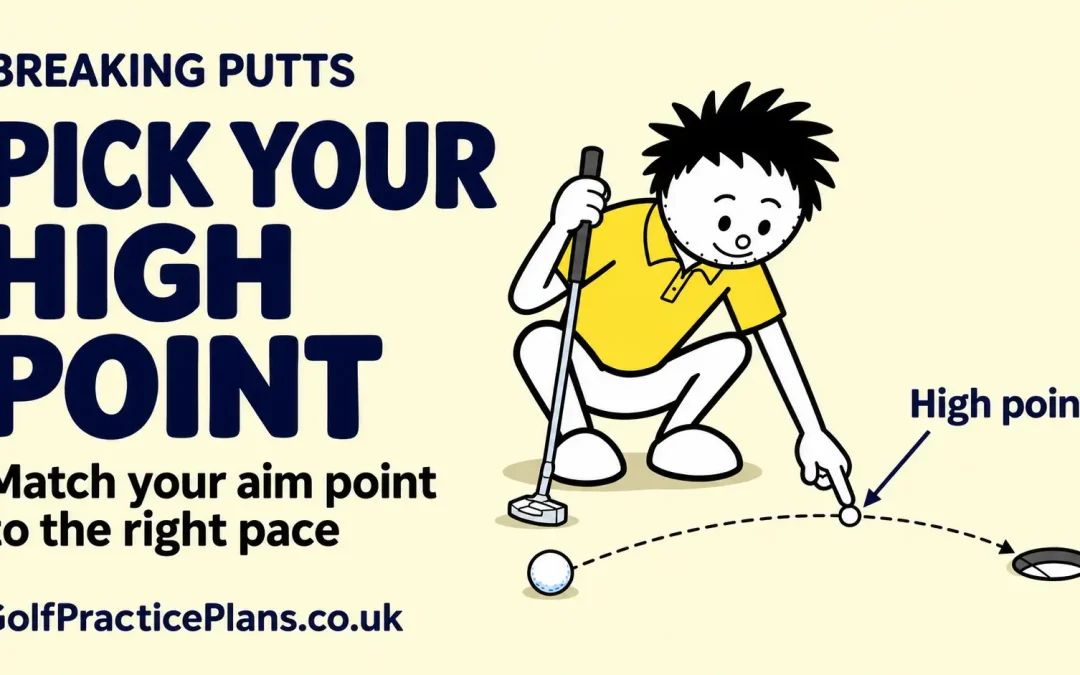
Read a breaking putt from both sides, choose its high point and match your pace to it. Score one point for each finish within one putter length over 18 attempts.
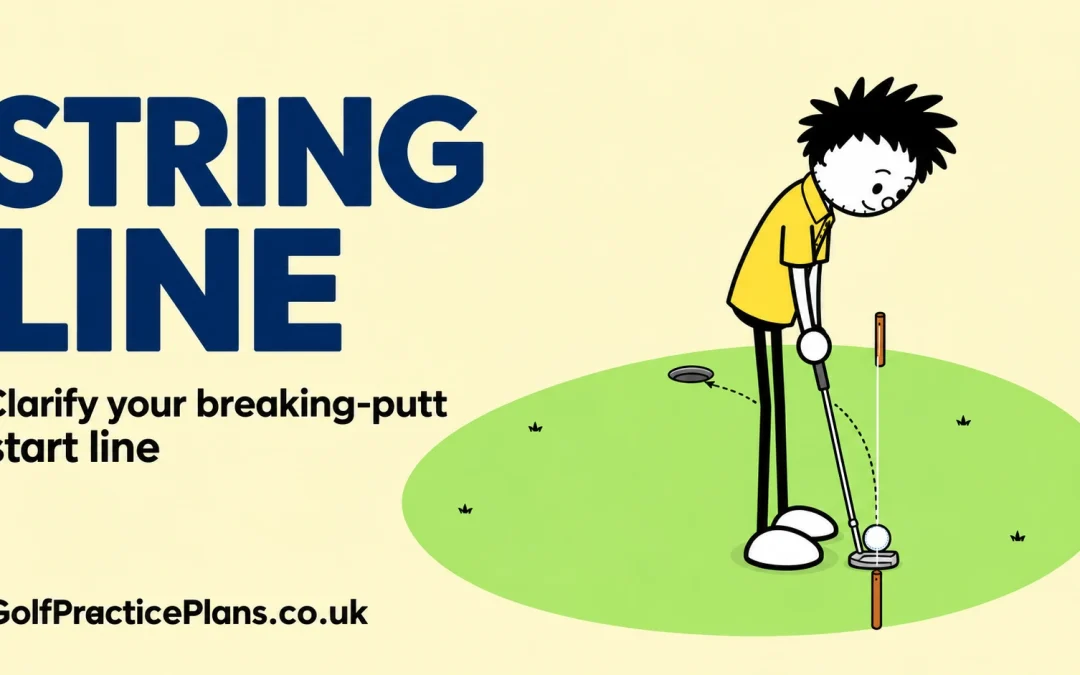
Use a raised string to clarify a breaking putt’s start line. Roll the ball beneath it, notice the finish and record completed routines out of 18.

Practise one straight putt of about three metres. Aim for ten in a row and record your longest run of holed putts within 10 attempts.

Practise adding small amounts of putting pace. Roll each ball just beyond the last, stay short of a boundary and record your best streak in up to 18 putts.
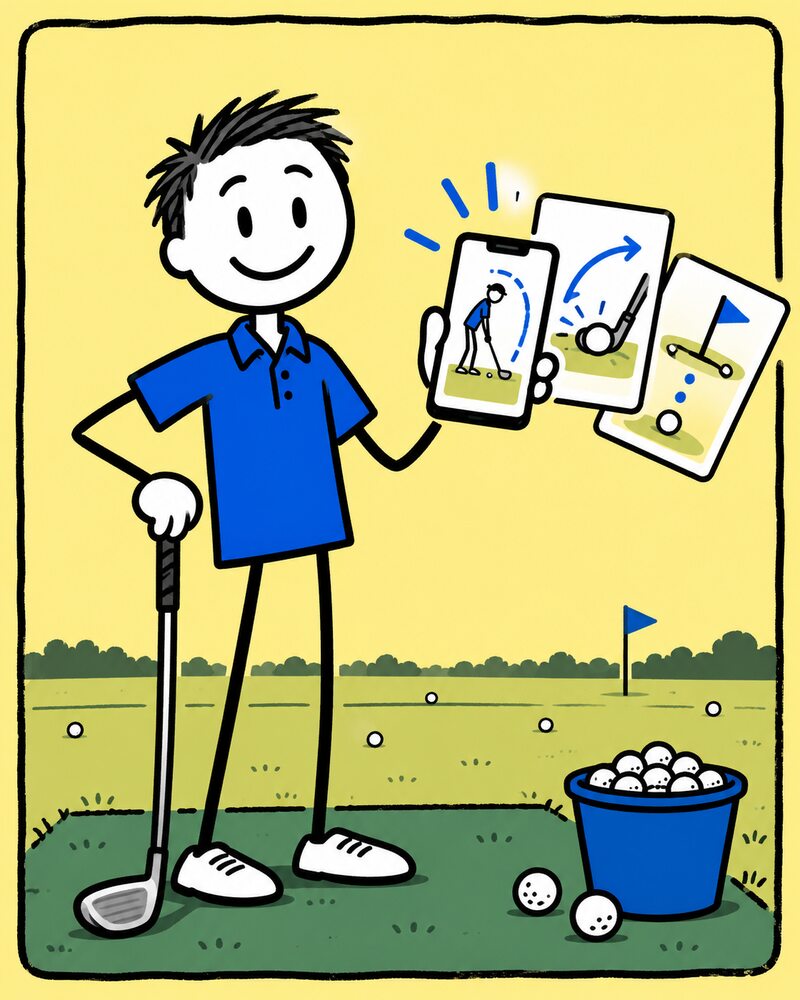
One useful drill can change your whole practice session. Pick a card, try it, and keep the notes that help your game.
Golf Practice Cards App