
Browse by category
DRILL OVERVIEW
Anti Sway Backswing Drill: Turn Back Without Drifting Sideways
Your drill at a glance

This drill is from the Golf Practice Made Fun App.
Use a spare club under the outside edge of your right foot to feel pressure on the inside of that foot. Practise turning into your backswing with less sideways movement, then swing through to a balanced finish.
Step 1. Watch the anti sway drill
Notice where the spare club sits under the right foot and how it changes the feeling of pressure as you turn back.
Step 2. Set the club under your right foot and swing

| Action | What to do |
|---|---|
| Set the spare club under your right foot | Lay a spare club on the ground at a right angle to your target line, where your right foot will stand. Rest the outside edge of your right foot on the shaft, as shown in the image. Keep the spare club clear of the ball and the path of the club you’re swinging. |
| Feel the inside of your right foot | Take your normal address with the playing clubhead behind the ball. The spare shaft slightly raises the outside edge of your foot, helping you feel pressure on its inside edge. Keep your knees comfortable and begin with slow rehearsals. |
| Turn back, then swing through | Turn your chest and hips into your backswing while keeping that inside-foot feeling. Let your pressure shift naturally onto your right side without letting your hips drift sideways over the outside of the foot. Then turn through and finish in balance. |
| Hit gentle shots | Once the rehearsal feels comfortable, hit gentle shots with the same feeling. Use the shaft as feedback, without forcing your ankle or exaggerating the tilt. Remove it afterwards and try to carry the inside-foot feeling into your normal setup. |
| For left-handed golfers | The image shows a right-handed golfer. For a left-handed swing, use the outside edge of the left foot instead. |
| Your cue | “Inside foot. Turn back. Finish in balance.” |
| Watch for | Try this |
|---|---|
| Hips drifting over the outside of the trail foot | Make a smaller rehearsal and keep the pressure feeling on the inside edge. |
| Locking your body in place | Allow a comfortable turn and natural pressure shift without a sideways slide. |
| Too much foot tilt | Use only a slight lift under the outside edge and keep the ankle comfortable. |
| Losing your finish | Reduce your effort and turn through until you can hold a balanced finish. |
Step 3. Complete your round
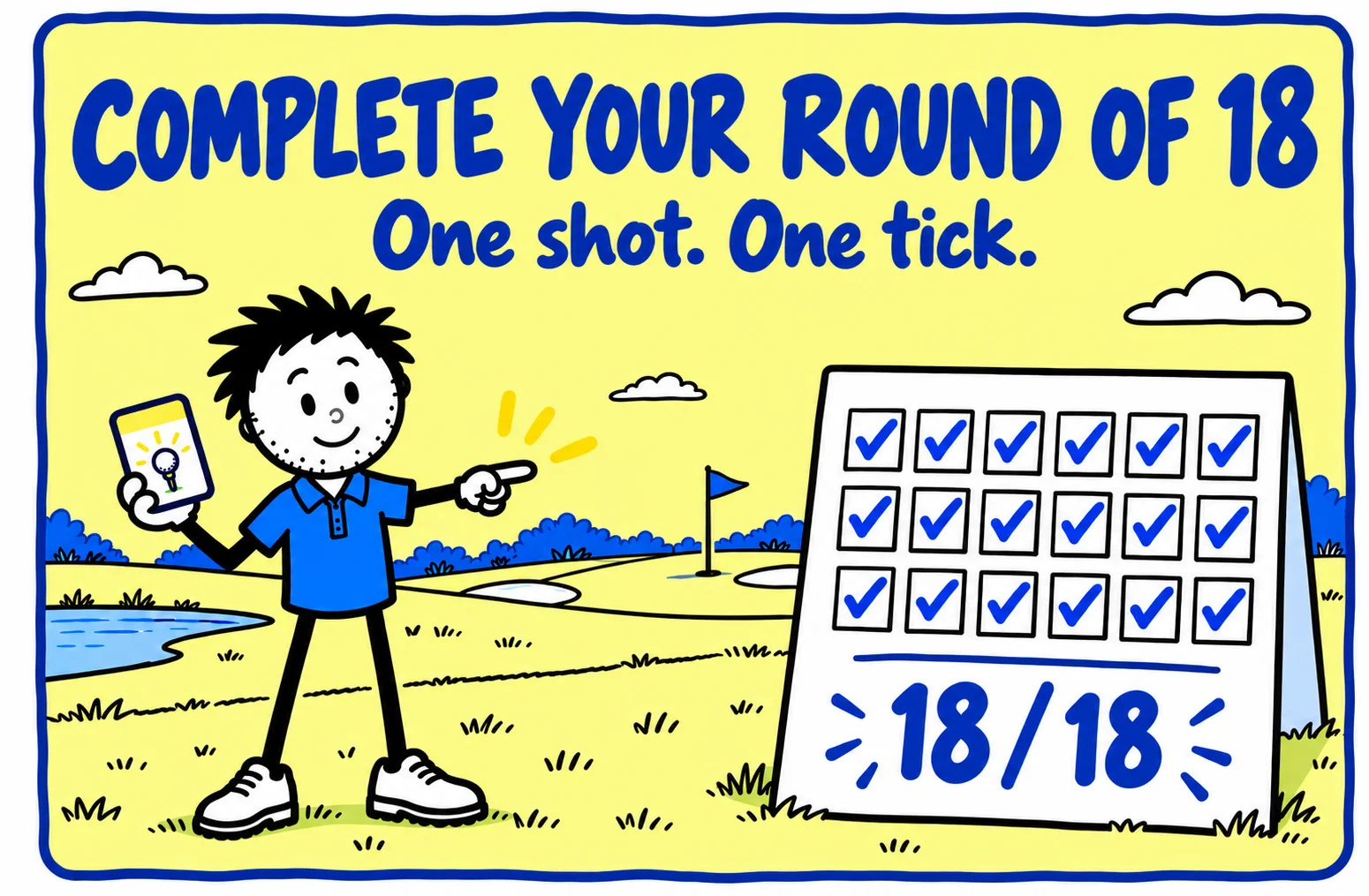
Play 18 shots in two sets of nine. Keep the setup comfortable and score one point for each solid strike. Use the inside-foot feeling as your backswing cue and finish in balance.
If you’re using the Golf Practice Made Fun App, tick one box in your Practice Round after each completed shot.
| Round | What to do |
|---|---|
| First nine | Play nine gentle shots using the spare club as feedback. Count solid strikes. |
| Second nine | Pause, then repeat nine with the same inside-foot feeling and smooth turn. |
| Record | Add both scores and record your total out of 18, plus one useful note. |
A worked example: Six points in the first nine and seven in the second gives 13 / 18. Your note might be: “The inside-foot feeling helped me turn instead of sliding.”
For a ball-free session, complete eighteen controlled practice swings and record repetitions completed instead of a strike score.
George’s Conclusion
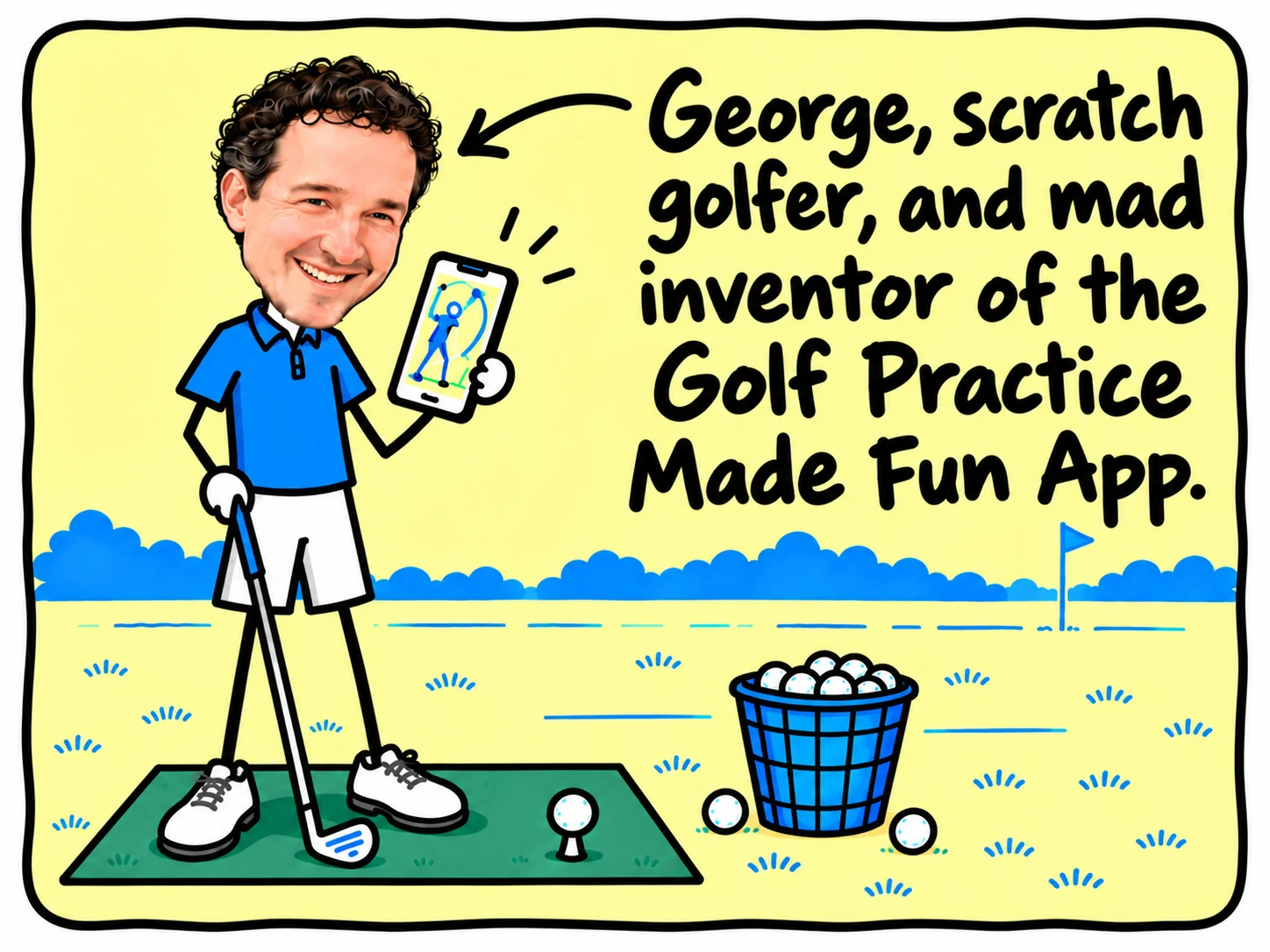
Keep the setup simple and use the spare club to notice your pressure. You can still turn and shift naturally; the useful feeling is staying supported on the inside of your trail foot as you turn back.
Try the Hip Bump Golf Drill or Chip Beck Baseball Driving Drill for another weight-transfer rehearsal.
MAKE THE NEXT BUCKET COUNT
Pick a card. Practise with purpose.