How to Control Wedge Distance: 3 Drills to Hit Your Yardages
Reliable yardages
Knowing how far your wedge carries helps you choose a shot with confidence.
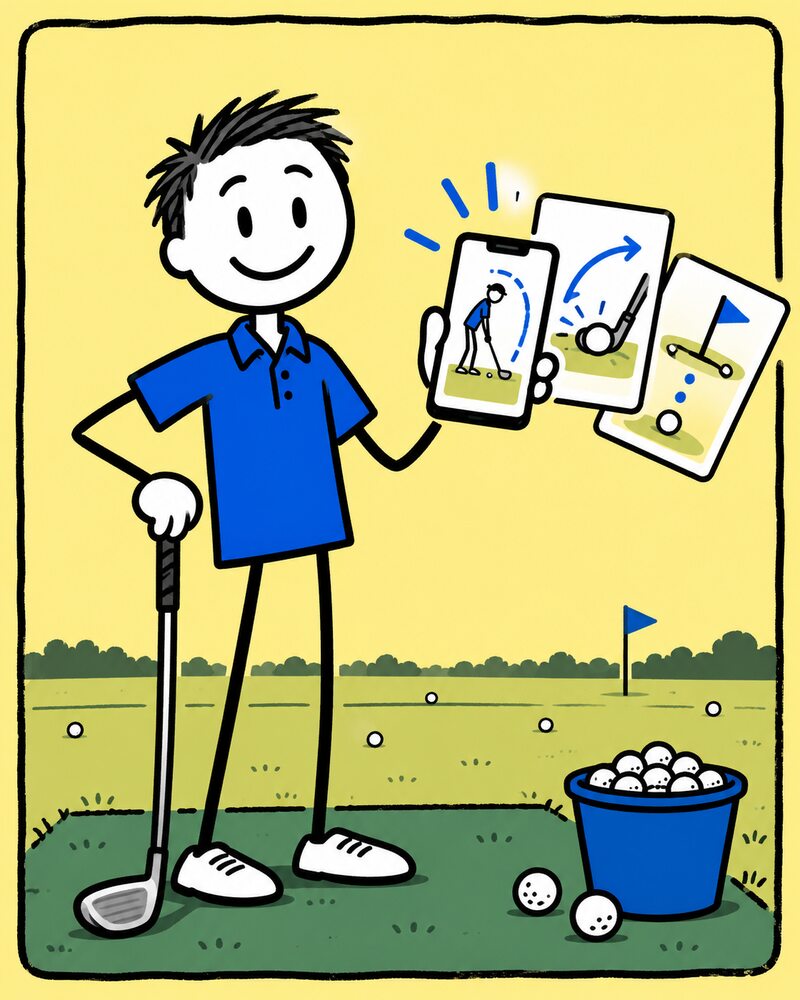
These three drills connect repeatable swing lengths with the yardages you trust, then show how different trajectories affect the finish. Begin by learning your carry numbers with Distance Wedge Control, compare your results at a few distances with Favourite Wedge Yardage and explore four flights to one target with Distance Wedges 1-2-3-4. Allow a separate session for each drill, reusing your balls and range markers or cones; the yardage comparison uses eighteen balls at each distance.
↓ Download free infographicSave to your device or print for practice.
Drill 1. Distance Wedge Control: Learn Your Carry Numbers

| Step | What to do |
|---|---|
| 1 | Use distance markers every ten yards from thirty to one hundred and twenty yards, or existing range targets. Choose one wedge and watch the first landing point: carry distance is where the ball first lands, before it rolls. If you do not know your distances, make a few calibration shots before beginning. |
| 2 | Compare a controlled full swing, a nine-o’clock backswing with the lead arm roughly horizontal, and a shorter seven-thirty backswing. Keep the same wedge, ball type and comfortable rhythm. Note the typical carry for each length so you have three benchmarks to return to. |
| 3 | Play three shots with each length, then repeat that nine-shot set for eighteen shots. Record the carries and notice how often they land within five yards short or long of the relevant benchmark. Keep your targets fixed throughout the test; practise another wedge in a later session. |
See the full Distance Wedge Control Drill and its swing-length demonstration →
Drill 2. Favourite Wedge Yardage: Find the Distance You Trust

| Step | What to do |
|---|---|
| 1 | Choose several measured distances between thirty and one hundred and twenty yards, such as fifty, seventy and ninety yards. Use a flag or cone as each target’s centre. Pick a practice area where you can check where the balls finish, using comparable golf balls throughout. |
| 2 | Start with one target and play eighteen balls using your chosen wedge shot and normal preparation. Stay with that distance until all eighteen are complete. Check the final resting positions, including rollout, rather than judging only the first landing point. |
| 3 | Notice how many balls finish within nine feet of the target, then repeat with eighteen balls at each other chosen distance. Compare the groups and repeat the test another day before settling on a favourite. Use the distance you consistently trust when planning a suitable lay-up. |
Explore the full Favourite Wedge Yardage Drill and distance-comparison method →
Your focus: Reliable yardages
Drill 3. Distance Wedges 1-2-3-4: Explore Four Flights

| Step | What to do |
|---|---|
| 1 | Choose a manageable target between thirty and one hundred and twenty yards on a practice area where you can putt out. Keep the same wedge and target while exploring the four flights. Rehearse the narrow, balanced base setup, with the lead foot pulled back slightly and flared, as shown in the full lesson below. |
| 2 | For a right-handed golfer, use the numbered setup changes: 1, low—ball opposite the right toe; 2, normal—ball opposite the right heel; 3, high—ball in the middle with a wider stance; 4, lob—ball in the middle, wider stance, more weight left and a lower handle. Reverse the sides if you play left-handed. Keep the underlying motion familiar and notice how flight changes the landing and rollout. |
| 3 | Play two low, two normal, two high and two lob shots, plus one extra flight of your choice. Repeat for eighteen wedge attempts, putting out each ball. Notice which flights leave the simplest next putt and how often you finish in two strokes or fewer, including the wedge shot. |
Watch the full Distance Wedges 1-2-3-4 lesson and detailed setup guide →
FAQs
What equipment do I need?
Wedges, putter + balls.
How do I get started?
Use distance markers every ten yards from thirty to one hundred and twenty yards, or existing range targets. Choose one wedge and watch the first landing point: carry distance is where the ball first lands, before it rolls. If you do not know your distances, make a few calibration shots before beginning. Compare a controlled full swing, a nine-o’clock backswing with the lead arm roughly horizontal, and a shorter seven-thirty backswing. Keep the same wedge, ball type and comfortable rhythm. Note the typical carry for each length so you have three benchmarks to return to. Play three shots with each length, then repeat that nine-shot set for eighteen shots. Record the carries and notice how often they land within five yards short or long of the relevant benchmark. Keep your targets fixed throughout the test; practise another wedge in a later session.
What should I focus on during practice?
Choose several measured distances between thirty and one hundred and twenty yards, such as fifty, seventy and ninety yards. Use a flag or cone as each target’s centre. Pick a practice area where you can check where the balls finish, using comparable golf balls throughout. Start with one target and play eighteen balls using your chosen wedge shot and normal preparation. Stay with that distance until all eighteen are complete. Check the final resting positions, including rollout, rather than judging only the first landing point. Notice how many balls finish within nine feet of the target, then repeat with eighteen balls at each other chosen distance. Compare the groups and repeat the test another day before settling on a favourite. Use the distance you consistently trust when planning a suitable lay-up.
How should I record my practice?
Choose a manageable target between thirty and one hundred and twenty yards on a practice area where you can putt out. Keep the same wedge and target while exploring the four flights. Rehearse the narrow, balanced base setup, with the lead foot pulled back slightly and flared, as shown in the full lesson below. For a right-handed golfer, use the numbered setup changes: 1, low—ball opposite the right toe; 2, normal—ball opposite the right heel; 3, high—ball in the middle with a wider stance; 4, lob—ball in the middle, wider stance, more weight left and a lower handle. Reverse the sides if you play left-handed. Keep the underlying motion familiar and notice how flight changes the landing and rollout. Play two low, two normal, two high and two lob shots, plus one extra flight of your choice. Repeat for eighteen wedge attempts, putting out each ball. Notice which flights leave the simplest next putt and how often you finish in two strokes or fewer, including the wedge shot.
Do I need to practise every drill in one session?
Choose one drill that matches what you want to work on. Follow its setup and practice task, then use what you notice to decide what to repeat next time.
Should I use the same score for every drill?
Follow the practice record given for each drill. Keep its distance, target and equipment consistent when you compare sessions.
What drill do you recommend I do next?
Try Distance Wedge Control Drill next to record useful wedge carry benchmarks.
You could also use Goldilocks Wedge Drill to build distance feel with short, long and on-target wedge shots. For another focused practice task, try Towel Pitch Body Turn Drill to connect your chest turn to a short pitch using a towel.
Give your next practice a purpose.
Find illustrated drills, save your favourites and record your practice in the Golf Practice Made Fun App.
Try the App Free ↗14 days free · No card required