


Browse by category
DRILL OVERVIEW · PUTTING CARD 35
Eyes on the Hole: Compare Your Putting Pace
Your drill at a glance

Look at the target. Notice the pace. Eyes on the Hole: Compare Your Putting Pace is Putting Card 35 in the Golf Practice Made Fun App.
What changes when you watch the hole during the stroke? Start with a three-foot putt and compare nine eyes-up putts with nine using your normal routine. Record where the ball finishes and how contact feels with each method.
Give yourself time to get comfortable at the short distance. Move back only when you feel ready, and use matching distances when comparing the two routines.
Jump to start at three feet, compare both routines or record your findings.
Watch the eyes-up putting lesson.
The Logical Golfer demonstrates looking at the hole during the stroke, beginning with short three-foot putts before working back as confidence grows.
Step 1. Start at three feet.
Take your normal setup, then look towards the hole throughout the putting stroke.
| Action | What to do |
|---|---|
| Choose a short putt | Place the ball about three feet from the hole on the practice green. |
| Set up normally | Take your usual stance and grip, with the putter head behind the ball. |
| Look at the hole | Turn your gaze towards the target before you begin the stroke. Keep looking at the hole while you putt. |
| Build comfort first | Stay at the short distance until the eyes-up stroke feels comfortable. Move back only when you are ready. |
The change is where you look during the stroke. Keep your grip and setup familiar so you can notice what that change does.
Step 2. Compare both routines.
Play nine eyes-up putts and nine with your normal routine from matching starting positions.
| Action | What to do |
|---|---|
| Play nine eyes-up putts | Look at the hole during each stroke. Return the ball to the same starting spot between attempts. |
| Use your normal routine | Play nine more using your usual approach to looking at the ball and target. |
| Keep the comparison fair | Use the same distance and target for both methods. If you choose to move back, compare both routines at that distance. |
| Notice the finish | Watch where the ball comes to rest: short, holed or beyond the hole. |
| Notice the strike | Pay attention to the feel of contact, including whether it feels centred, towards the toe or towards the heel. |
One ball is enough. Retrieve it after each putt and make a brief note before the next attempt if that helps you remember the result.
Step 3. Record your findings.
Complete 18 attempts and compare finish distance and strike for both routines.
| Action | What to do |
|---|---|
| Complete both groups | Play nine putts with each routine, making 18 attempts in total. |
| Record the finish | For each routine, note the finishing distance from the hole and whether the ball tended to finish short or long. |
| Record the strike | Keep a brief note of contact quality for each group. |
| Tick completed attempts | In the App, record one completed attempt for each putt. Misses still count as attempts. |
| Compare your notes | Which routine gave you the more consistent pace? What happened to contact when your eyes stayed on the hole? |
Your practice record
| Part of the practice session | Record |
|---|---|
| Eyes on the hole | Attempts: ___ / 9 · Finish distance: ___ · Strike: ___ |
| Normal routine | Attempts: ___ / 9 · Finish distance: ___ · Strike: ___ |
| Total attempts | ___ / 18 |
| Starting distance | ___ feet |
| Useful observation | The difference I noticed: ___ |
This is an attempts-and-notes drill. Complete 18 putts and compare the two groups. There are no extra points for holing a putt.
George’s Practice Tip.
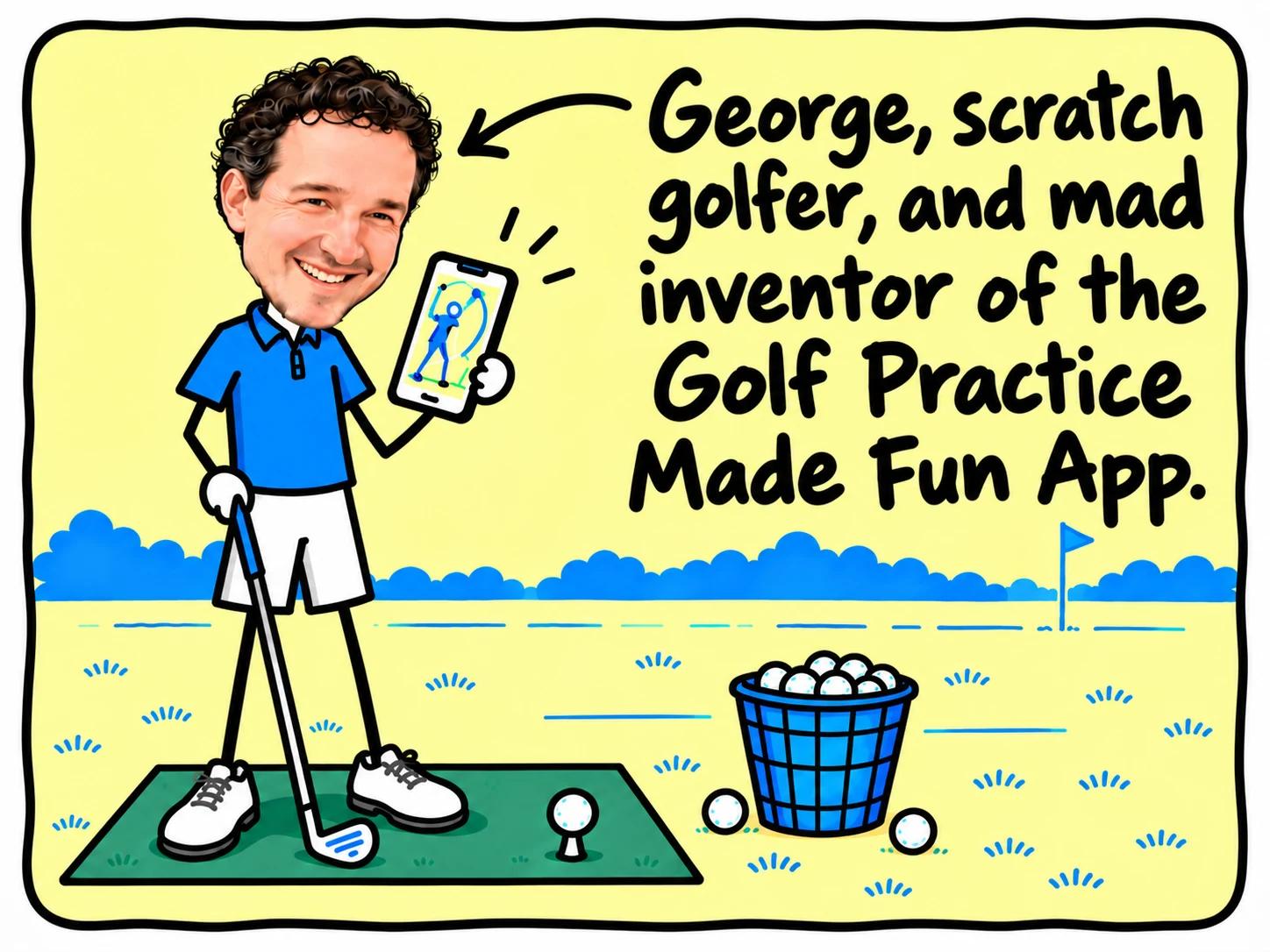
Keep the first comparison short enough to feel comfortable. If looking at the hole feels unfamiliar, give it the full group of nine before deciding what you think.
After the practice session, write one sentence about pace and one about strike. Those two observations will tell you more than simply remembering the best putt.
To explore another change to your setup, try Hover or Ground. For a comparison focused on contact and starting direction, use Lead-Hand Putting.
MAKE THE NEXT BUCKET COUNT
Pick a card. Practise with purpose.
