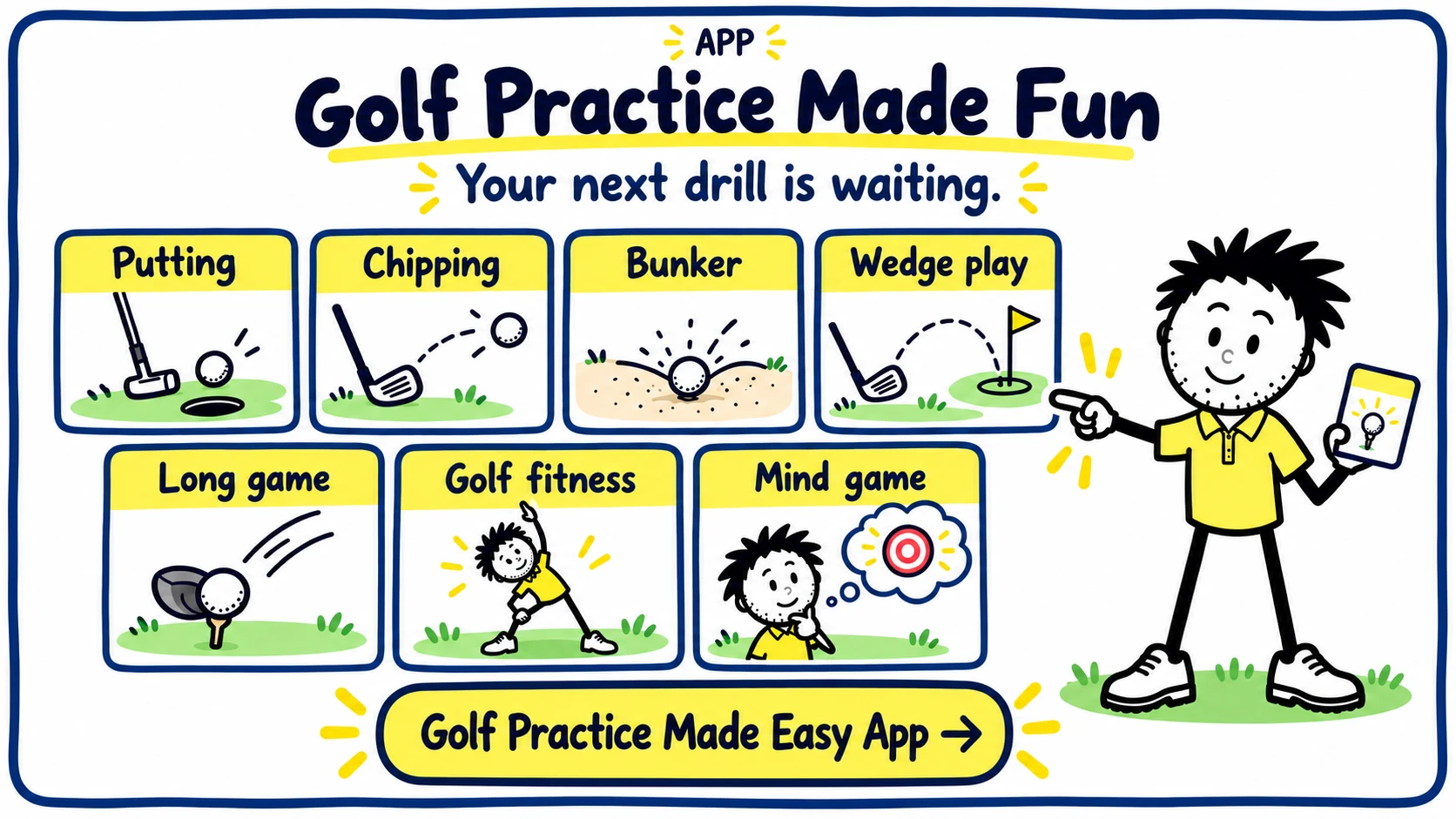
Browse by category
A GENTLER MONTH OF MIND-GAME PRACTICE
Try the 30-day mind game challenge
Seven drills. Your pace. Enjoy your practice.
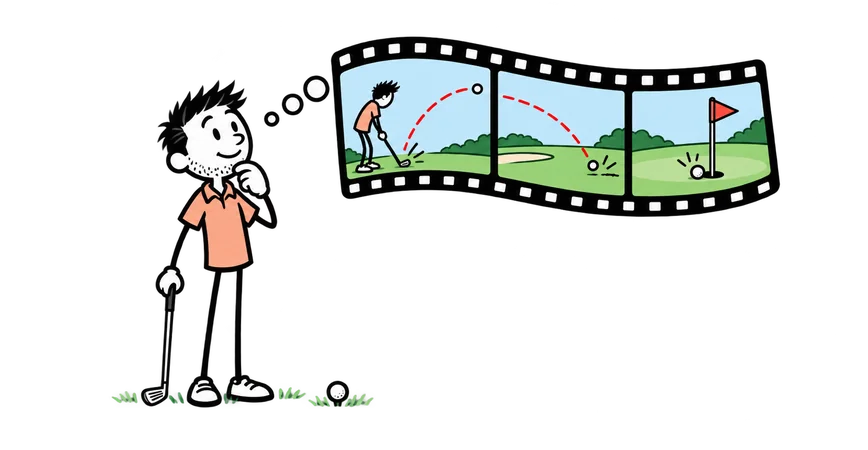
Over the next 30 days, choose from these seven mind-game drills whenever you have time to practise. Explore a clearer shot picture, a simpler routine or a fresh start between balls. Repeat your favourites and take one useful idea to your next round.
Hi, I’m George, a scratch golfer and creator of the Golf Practice Made Fun App. Try this challenge, then explore the App for more ways to make your practice count.
Your drill at a glance
There’s no fixed timetable, points table or pass mark. You don’t need to practise every day, work through the drills in order or complete all seven. One useful session is a good start.
Step 1. Pick a drill that suits today
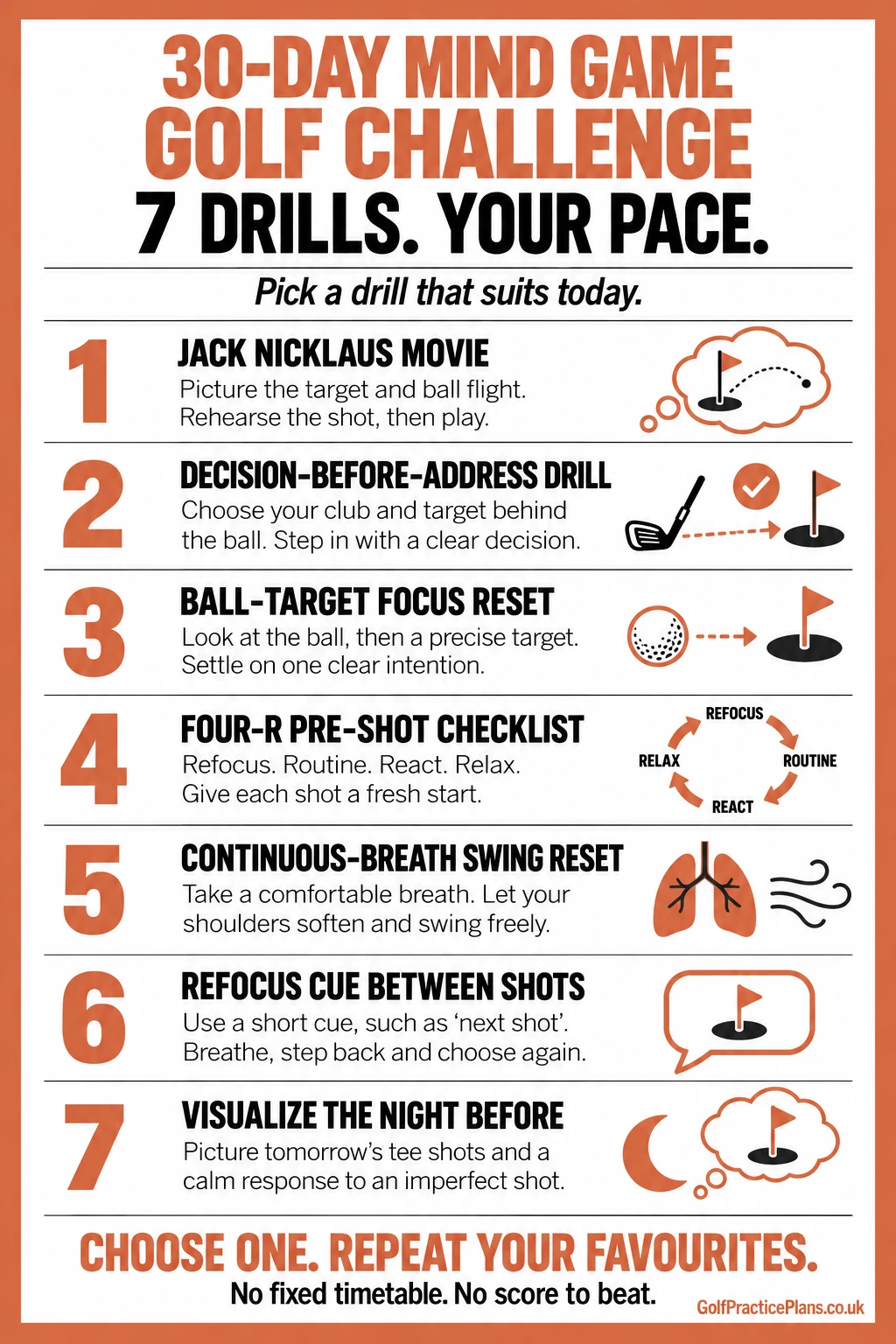
Choose according to where you are and what would help today. For the range drills, bring a club and a few balls. Visualize The Night Before needs no equipment and can be done at home.
| No. | If you fancy… | Try this drill |
|---|---|---|
| 1 | Picture the shot you want to play | Jack Nicklaus Movie |
| 2 | Make your decision before stepping in | Decision-before-address drill |
| 3 | Bring your attention back to the target | Ball-Target Focus Reset |
| 4 | Give your routine a simple shape | Four-R pre-shot checklist |
| 5 | Notice and release swing tension | Continuous-breath swing reset |
| 6 | Start the next shot afresh | Refocus cue between shots |
| 7 | Rehearse a round from home | Visualize The Night Before |
Using the App? Open your dashboard, choose Mind game and search for the card’s name. Save the cards you like to My Cards so they’re easy to find next time.
You could choose one or two favourite drills and repeat them during the month, or sample all seven. Most work well with a few comfortable range shots; the night-before visualisation offers an easy option at home.
Step 2. Enjoy your mind-game practice
Start with a familiar club and a comfortable target. Give one routine a few unhurried attempts. Pause, notice what happened and give yourself another go. The aim is to practise a useful habit, not to demand perfect shots or perfectly calm thoughts.
A simple example: Try Jack Nicklaus Movie on your first range visit. Repeat it next time, then add Refocus cue between shots if you feel like it. Before a round, explore Visualize The Night Before. You choose the rhythm.
DRILL 1 · MIND GAME CARD 3
Jack Nicklaus Movie
Picture the shot you want to play
Before a shot, picture the ball resting at your chosen target. Imagine its flight, landing and roll, then picture the swing you want to make. Play the shot and notice how the result compares with your mental picture.
Keep it easy: A simple picture is enough. The ball doesn’t have to match it perfectly for the practice to be useful.
DRILL 2 · MIND GAME CARD 16
Decision-before-address drill
Make your decision before stepping in
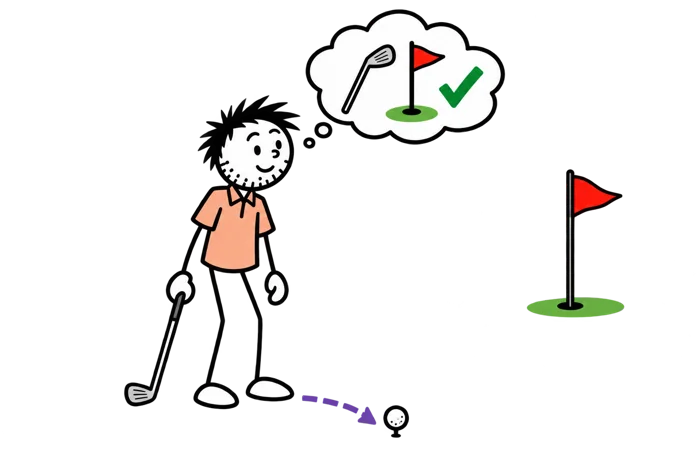
Stand behind the ball and choose your club and target. Step in only after making that decision. Notice any changes of mind at address, then step away before the next ball so each attempt begins with a fresh choice.
Keep it easy: Start with a familiar club and comfortable target. If the choice feels muddled, step back and make it again.
DRILL 3 · MIND GAME CARD 8
Ball-Target Focus Reset
Bring your attention back to the target
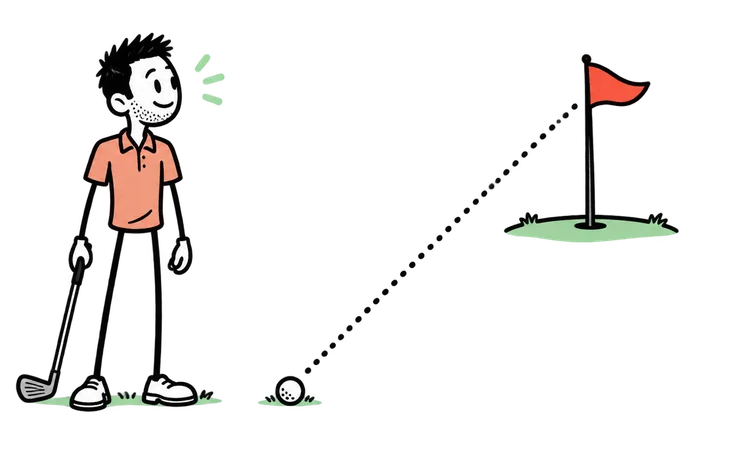
Look at the ball and then at a precise target. Settle on one clear intention and use your normal pre-shot routine. Play when you feel ready. Afterwards, notice where your attention went and reset.
Keep it easy: One intention is plenty. You don’t need a list of swing thoughts.
DRILL 4 · MIND GAME CARD 9
Four-R pre-shot checklist
Give your routine a simple shape

Use four simple steps: Refocus with a relaxed breath and a target. Routine: choose the club and picture the flight. React: step in, settle and commit without adding another technical thought. Relax: accept the result, make one brief observation and step away.
Keep it easy: Try the four words with a few shots. Let the routine feel natural rather than rushed.
DRILL 5 · MIND GAME CARD 17
Continuous-breath swing reset
Notice and release swing tension
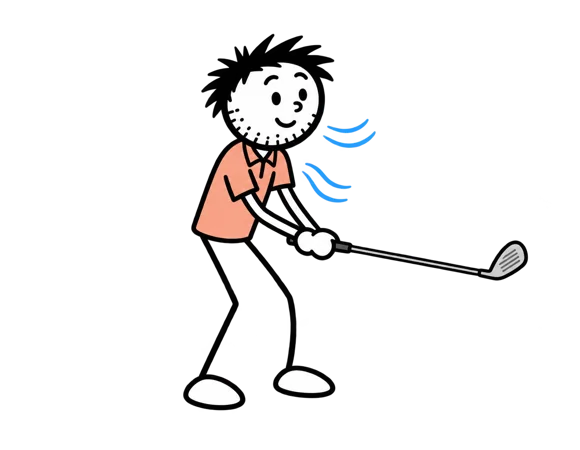
Take one comfortable breath and let your shoulders soften as you breathe out. Make a relaxed rehearsal, then address the ball and swing with normal, unforced breathing. After the shot, notice any breath-holding or tightening. Step away and reset before the next ball.
Keep it easy: Keep your breathing comfortable. You don’t need to time the swing to a particular breath.
DRILL 6 · MIND GAME CARD 18
Refocus cue between shots
Start the next shot afresh
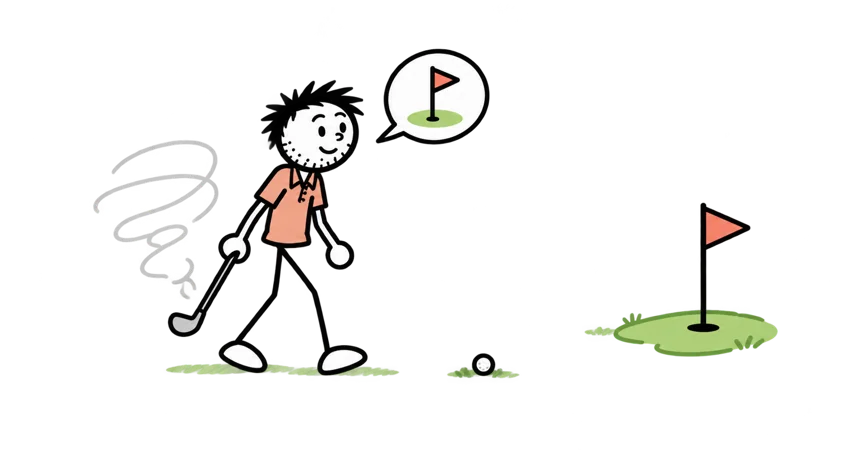
Choose a short cue such as “next shot”. After a range ball, notice the result once and take a relaxed breath. Walk back from the hitting position and say your cue. Choose the next target and club, picture the flight, then step in and play.
Keep it easy: Use a cue that feels natural to you. A poor shot is simply another chance to practise the reset.
DRILL 7 · MIND GAME CARD 7
Visualize The Night Before
Rehearse a round from home

The night before a round, picture a tee shot and target for a hole you know. Rehearse your routine and a calm response to an imperfect shot. Imagine another hole if you like. On the course, notice which visualisations helped you make a clear decision.
Keep it easy: Begin with one or two imagined holes. There’s no need to rehearse a whole course or predict a perfect round.
Step 3. Complete your round
If you’re using the Golf Practice Made Fun App, you can tick one box in your Practice Round after each attempt. For a range drill, an attempt means using the routine for one shot. For Visualize The Night Before, it means picturing one hole’s target, shot and calm response. A tick means you practised; it doesn’t depend on hitting the target.
A round of 18 is an optional guide. Try fewer attempts if that suits your time, or come back to finish another day. There’s no need to rush, restart after a poor shot or force yourself to finish.
There’s nothing to add up. If you want, leave one short note such as “Choosing the target first helped” or “The next-shot cue made it easier to move on.” Notes are optional too.
At the end of the 30 days, ask yourself: Which drill did I enjoy? What felt easier? What would I like to keep practising? Use those answers to choose your next card. You don’t need a final test or a better score to have made worthwhile use of the month.
George’s Conclusion
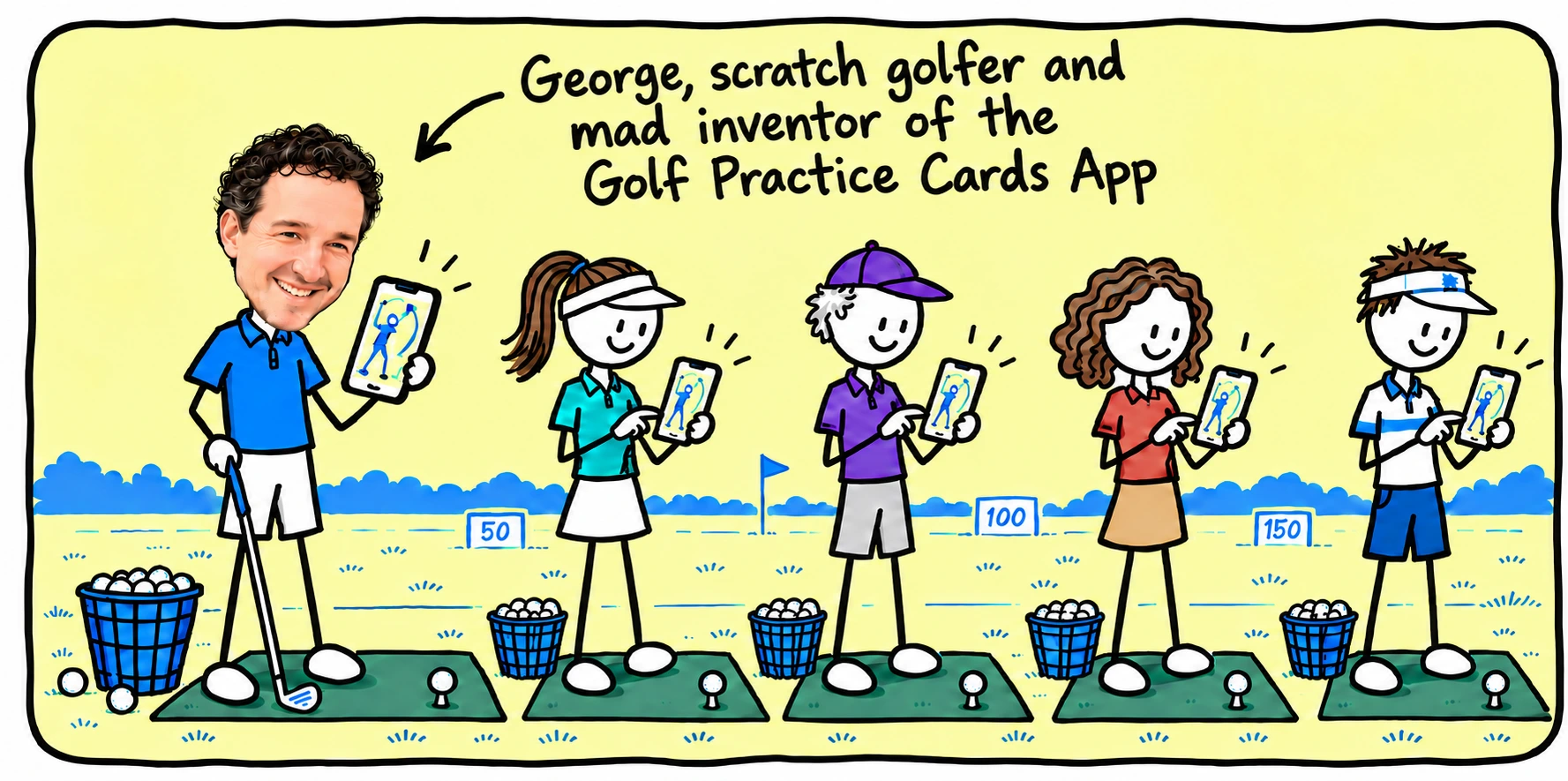
The aim is to make mind-game practice easier to start and more enjoyable to repeat. Choose a drill, keep it simple and give yourself a few useful attempts.
If one routine helps you make a clearer decision or move on from the last shot, keep that card handy. You can bring it to your next range visit or round without turning the whole day into a test.
MAKE THE NEXT BUCKET COUNT
Pick a card. Practise with purpose.